Comprehensive Guarante To Meet Your Diverse Needs
High-definition printing: bright colors and clear patterns
High-quality and durable: wear-resistant and stretch-resistant


High-definition printing: bright colors and clear patterns
High-quality and durable: wear-resistant and stretch-resistant
2026-08-22 16:45:00
The better choice between Waterproof Labels and standard labels depends on where the product will be used and how much moisture the packaging may encounter. Standard Paper labels can be suitable for dry indoor packaging, while waterproof labels are generally a better option for products exposed to water, condensation, oil, or humid environments.
For brands ordering custom self adhesive labels, comparing the two options before production can help avoid problems such as peeling, smudging, or damaged label surfaces.
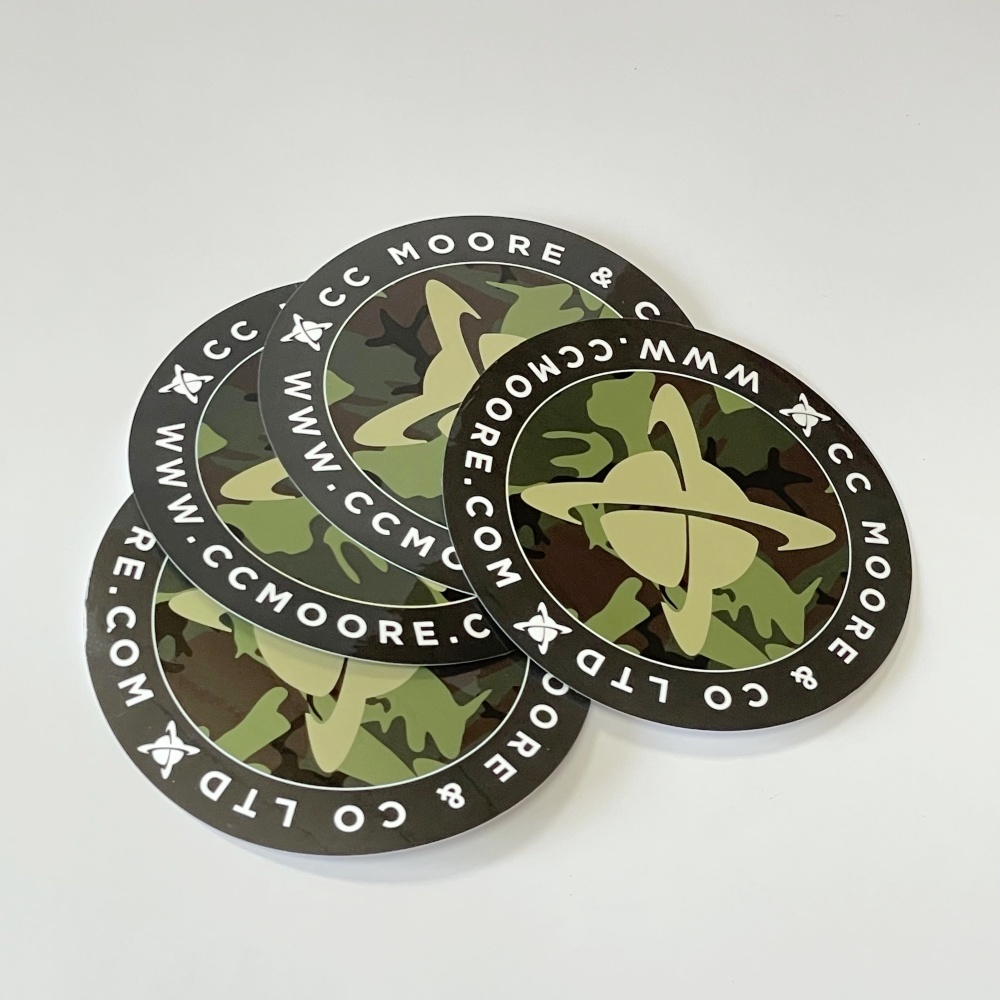
The main difference is how the label construction responds to environmental conditions. Standard labels are often produced with paper-based materials and are suitable for many general packaging applications. Waterproof labels typically use more moisture-resistant materials and constructions designed to maintain their appearance and adhesion when exposed to water.
| Factor | Standard Labels | Waterproof Labels |
|---|---|---|
| Moisture exposure | Best for dry environments | Better for wet or humid conditions |
| Common materials | Often paper-based | Often film or other moisture-resistant materials |
| Appearance | Wide range of paper finishes | Can support durable and high-quality finishes |
| Typical applications | General indoor products | Food, beverage, cosmetics and moisture-exposed products |
Waterproof labels are worth considering when the packaging may regularly come into contact with water or high humidity. This is particularly relevant for products stored in refrigerators, used in bathrooms, handled outdoors, or exposed to condensation during transportation.
For example, waterproof food labels can be useful for food and beverage packaging where moisture may affect the label during storage, transportation, or normal handling.
Food and beverage packaging
Refrigerated or chilled products
Cosmetic and personal care products
Household products used around water
Outdoor products and packaging
Products exposed to condensation or humid environments
If your product will be exposed to moisture, provide the supplier with information about the expected environment before choosing the label material and adhesive.
Waterproof construction is not necessary for every product. If the packaging remains indoors and dry throughout its normal lifecycle, a standard label may provide the appearance and functionality you need without adding unnecessary material or finishing requirements.
Standard labels can be suitable for dry goods, retail packaging, boxes, paper packaging, promotional products, and other applications where prolonged exposure to moisture is unlikely.
The key is to select the label based on actual usage conditions rather than assuming that the most durable option is always the best option.
Material selection is one of the most important factors when comparing waterproof and standard labels. Paper can provide a natural appearance and is suitable for many conventional packaging applications, while PP, PET, vinyl, PVC, and other film materials can be considered when additional resistance is required.
Transparent materials can also be used when brands want the packaging surface to remain visible around the printed design. The appropriate material depends on the packaging surface, required appearance, printing method, and environmental conditions.
When requesting Custom Labels, ask your product label manufacturer which materials are suitable for your specific application instead of selecting solely according to price.
A waterproof label is not simply a waterproof printed surface. The adhesive also needs to be appropriate for the product surface and environmental conditions.
Glass, plastic, metal, cardboard, and other packaging materials can have different surface characteristics. Temperature, humidity, surface texture, and handling conditions may also affect adhesion.
| Application Condition | What to Consider |
|---|---|
| Dry indoor packaging | Standard adhesive may be sufficient |
| High humidity | Consider moisture-resistant label construction and adhesive |
| Refrigerated products | Check material and adhesive performance at the expected temperature |
| Outdoor applications | Consider moisture, sunlight and temperature exposure |
Standard labels may be a practical choice when moisture resistance is not required. Waterproof labels can involve different materials, adhesives, printing processes, or protective finishes, so the final cost depends on the complete label specification.
Instead of comparing only the price per label, buyers should consider the cost of replacing damaged labels or dealing with poor presentation after the product reaches customers. For products exposed to water, choosing a suitable waterproof construction from the beginning can help reduce these risks.
| Product Type | Suggested Direction | Main Reason |
|---|---|---|
| Dry packaged goods | Standard labels | Limited moisture exposure |
| Beverage packaging | Waterproof labels | Condensation and liquid exposure |
| Refrigerated food | Waterproof labels | Cold and moisture conditions |
| Cosmetics | Depends on application | Bathroom and moisture exposure may require greater resistance |
| Outdoor products | Water-resistant construction | Exposure to weather and humidity |
Before ordering Custom Labels, answer these questions:
Will the product or packaging come into contact with water?
Will it be refrigerated or exposed to condensation?
Will the product be stored outdoors or in a humid environment?
What material is the packaging made from?
Does the label need to remain attached permanently?
What size, shape, and finish does the packaging require?
Will the labels be applied manually or automatically?
What quantity is required for the order?
Once these requirements are clear, a professional self adhesive label supplier can help match the material, adhesive, printing, and finishing specifications to the application.
Not necessarily. Waterproof labels are better when products are exposed to water, moisture, condensation, or humid environments. Standard labels can be more appropriate for dry indoor applications.
They can be suitable when the label material and adhesive are selected for the expected refrigerated and moisture conditions. Buyers should provide the supplier with the actual storage and handling requirements before production.
Yes. Waterproof labels can be customized in different sizes, shapes, materials, printing designs, adhesives, and finishes depending on the application.
There is no single label construction that is best for every product. Standard labels can be an efficient choice for dry packaging, while waterproof labels are more appropriate when moisture resistance is an important requirement. The right decision should consider the packaging material, environmental conditions, adhesive, appearance, quantity, and overall production requirements.
If you are sourcing custom labels for food, beverage, cosmetics, household products, or other packaging, send your product details, label dimensions, quantity, and application conditions to Chengdong Printing for a suitable label recommendation and quotation.
2/F, No. 23, Um Yuan Xin Road, Wentang Community, Dongcheng Street, Dongguan City, Guangdong Province, China
+86 137-1733-9986 +86-0769-22299566


